




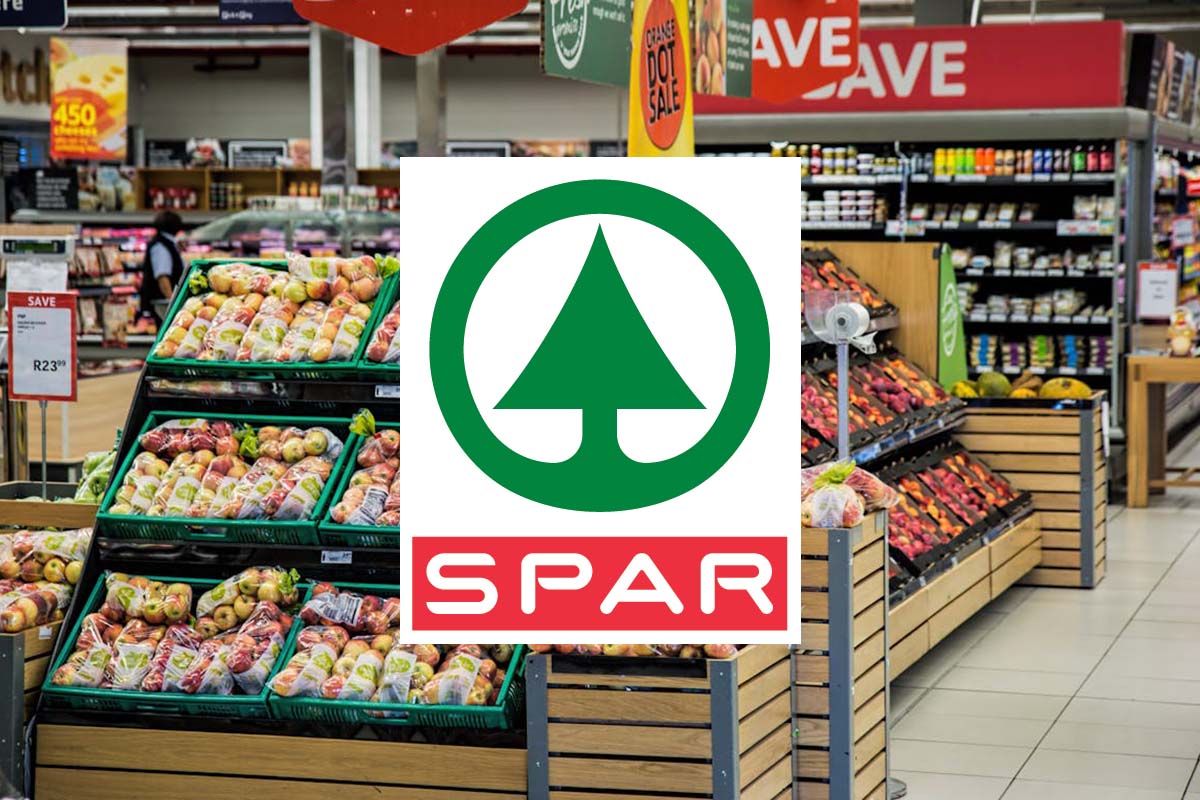
Breaking into retail is a big step for any farmer or agribusiness. Getting your fresh produce onto supermarket shelves not only grows your sales but also builds credibility and trust with customers. In South Africa, SPAR is one of the biggest retailers that supports local farmers and small suppliers — but you’ll need to meet their requirements.
Here’s a step-by-step guide to help you supply SPAR successfully.
1. Understand SPAR’s Business Model
SPAR operates differently from some other supermarket chains. Each store is independently owned, even though they operate under the SPAR brand. This means:
- You don’t need to go through a national head office for every product.
- Many suppliers build relationships directly with store owners or managers.
- Local sourcing is encouraged, especially for fresh produce.
This makes it easier for small farmers to start small — with one or two stores — and then expand.
2. Prepare Your Business and Products
Before approaching SPAR, make sure your agribusiness is ready:
- Formal registration: Your business should be registered with the CIPC and have a valid tax number.
- Compliance certificates: For fresh produce, you may need a GlobalG.A.P., PPECB, or Department of Agriculture compliance certificate depending on your product type.
- Packaging & labeling: Ensure your products are neatly packaged, labeled with your business details, and meet food safety standards.
- Consistent supply: Retailers want assurance that you can deliver regularly, not just once-off.
3. Start Local
Instead of trying to jump into supplying SPAR nationwide, begin with your nearest store.
- Visit the store and ask to speak to the store manager or fresh produce buyer.
- Take samples of your products, a price list, and your business information.
- Highlight what makes your produce stand out — freshness, organic, locally grown, competitive prices, etc.
Remember: Each SPAR owner decides which products to stock, so first impressions matter.
4. Be Price Competitive
SPAR customers are price-conscious, and store owners always compare costs. When setting your price:
- Research the current retail price of similar produce.
- Offer competitive wholesale prices while leaving room for the store’s markup.
- Be flexible at the start — building the relationship is more important than high margins in the beginning.
5. Deliver on Reliability and Quality
To build trust with SPAR:
- Deliver on time, every time.
- Keep consistent quality and freshness — one bad batch can cost you the relationship.
- Be open to feedback from store managers.
6. Grow the Relationship
Once you’re supplying one store consistently:
- Ask for referrals to other SPAR owners in your region.
- Use your success story as a case study when approaching new stores.
- Eventually, explore opportunities with SPAR’s distribution centers for broader supply.
7. Keep Innovating
SPAR stores love suppliers who bring something different. Consider:
- Supplying unique varieties (e.g., organic herbs, specialty vegetables).
- Offering pre-packed options for busy customers.
- Adding value with branding that tells your “local farmer” story.
Related opportunity: uMlalazi Municipality Invites Proposals for 5-Year Lease of Sugarcane Farms
Take the Leap!
Getting into SPAR requires preparation, persistence, and professionalism. Start small with one store, prove your reliability, and use that as a stepping stone to grow into more outlets. SPAR’s decentralized model gives local farmers a chance to shine — if you bring quality, consistency, and commitment.
Stay Updated
Want to stay informed about more farming events, tenders, funding opportunities, and business tips? Follow our updates on the StepApp Network:
- WhatsApp Group: Join here
- Facebook Page: Follow us
- LinkedIn Profile: Connect with StepApp
- X (Twitter): Follow StepApp SA on X
- WhatsApp Channel: Follow StepApp Updates