




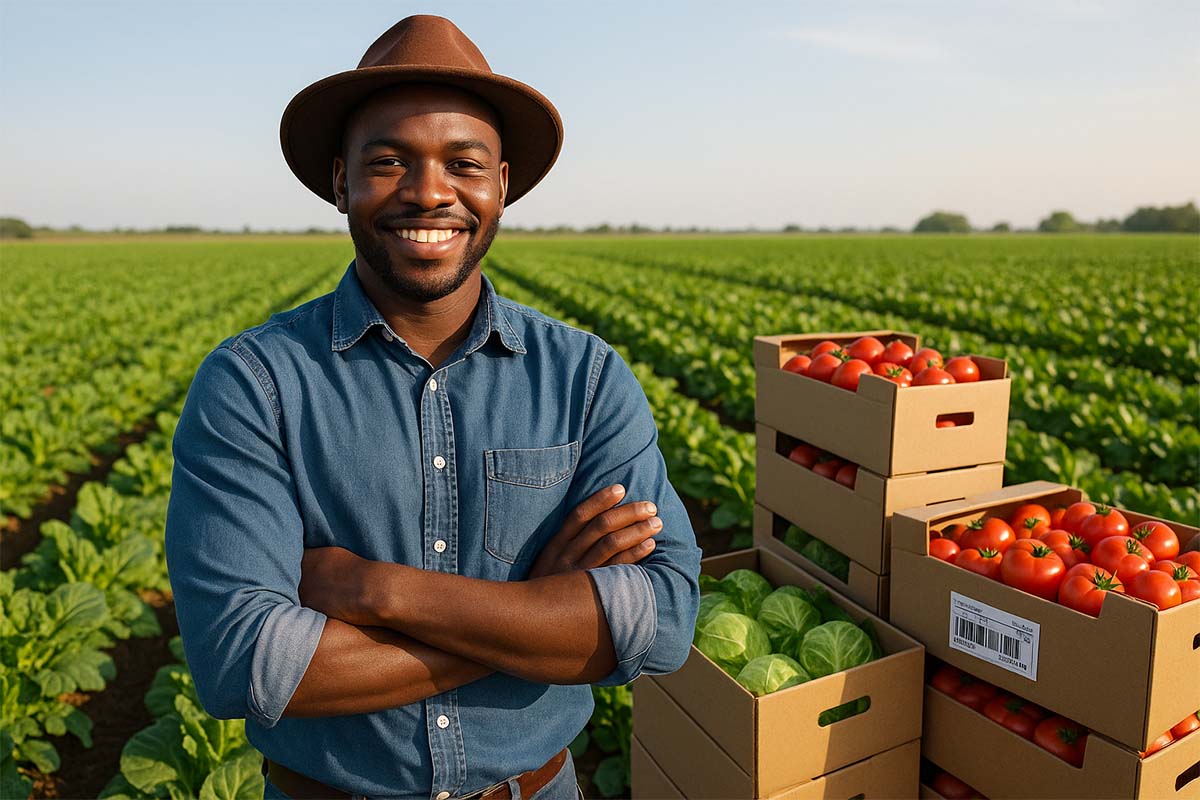
In an increasingly globalised agricultural market, exporting your produce can be a powerful way to grow your business, diversify your income, and access better pricing. But before you can send your crops or livestock across borders, it’s essential to ensure that your business is truly export ready.
Here are key tips to help South African farmers prepare for international markets:
1. Understand the Market You Want to Export To

Before exporting, research your target country thoroughly:
- Demand: What produce is in demand? Are your crops suitable for that climate or cuisine?
- Quality standards: Are there regulations about pesticide use, organic certification, or packaging?
- Pricing and competition: Who else is exporting the same goods, and how can you stand out?
Tip: Use platforms like TradeMap, Tralac, and the Department of Trade, Industry and Competition (the dtic) for trade data.
2. Meet All Legal and Compliance Requirements

South African agricultural exporters must comply with local and international regulations, including:
- Phytosanitary certificates from DALRRD (Department of Agriculture, Land Reform and Rural Development)
- Export permits for certain products
- Customs registration (SARS exporter code)
- Food safety standards such as GlobalG.A.P, HACCP, or ISO certifications depending on the market
Work with export councils and industry bodies to ensure compliance.
3. Get the Right Certifications
Buyers in international markets often require certification to prove your produce meets certain quality, sustainability, or traceability standards.
Examples include:
- GlobalG.A.P (Good Agricultural Practices) – common for European markets
- Fairtrade Certification
- Organic Certification – if applicable to your practices
These may require audits, recordkeeping, and specific farm practices, so prepare ahead.
4. Strengthen Your Production Systems
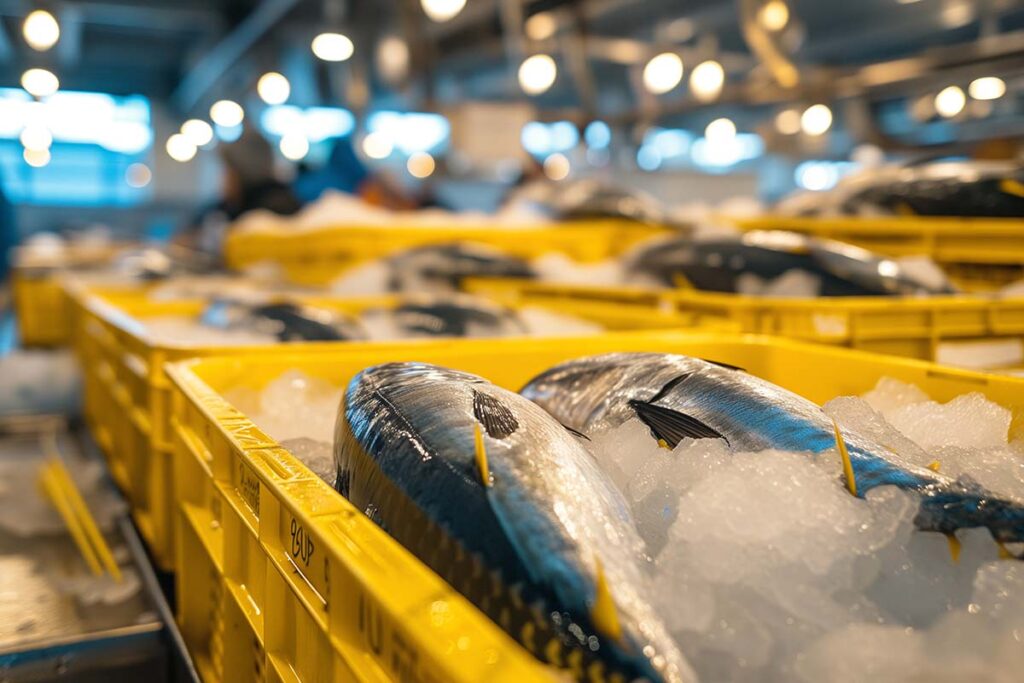
Exporting means delivering consistently – in quality, quantity, and timing.
- Plan your planting and harvesting schedules around export windows
- Implement traceability systems to track produce from field to shipment
- Invest in cold storage and logistics to meet freshness and shelf-life requirements
Partnering with aggregators or cooperatives can help smaller farmers meet export volumes and share infrastructure.
5. Register With the Right Export Platforms and Bodies

To access support and networks, consider registering with or joining:
- Agri Export Technological Innovation and Commercialisation (Agri-ETIC)
- Fresh Produce Exporters’ Forum (FPEF)
- South African Table Grape Industry (SATI) or other commodity-specific bodies
- Perishable Products Export Control Board (PPECB) – handles quality inspections and certification
- Agbiz or local Export Councils – for training, updates and trade shows
6. Prepare a Business and Export Plan

Having a well-documented export plan improves your chances of securing funding, partners, and market entry.
Your plan should include:
- Products and their export potential
- Target countries and entry strategies
- Logistics and transport plans
- Pricing and profitability
- Risk mitigation strategies
Consider working with an export development consultant or support agency to refine your strategy.
7. Build Partnerships and Networks

Going global is easier when you have the right people in your corner:
- Collaborate with freight forwarders and export agents
- Attend agri-trade expos and virtual buyer-seller meetings
- Leverage support from SEDA, DTIC, and provincial development agencies
- Explore funding or incubation programmes like AgriBEE Fund, Land Bank, or Export Marketing and Investment Assistance (EMIA)
Sow Today, Export Tomorrow
Becoming export-ready isn’t just a business move—it’s a mindset. With the right support, preparation, and partnerships, you can take your farm from local roots to global reach. Start the journey now, and let your harvest cross borders!
Useful Resources
- DALRRD: https://www.dalrrd.gov.za
- FPEF: https://www.fpef.co.za
- SEDA Exporter Development: https://www.seda.org.za
- Trade Map: https://www.trademap.org
Stay Updated
Want to stay informed about more export opportunities, tenders, funding and business tips? Follow our updates on the StepApp Network :
- WhatsApp Group: Join here
- Facebook Page: Follow us
- LinkedIn Profile: Connect with StepApp
- X (Twitter): Follow StepApp SA on X
- WhatsApp Channel: Follow StepApp Updates